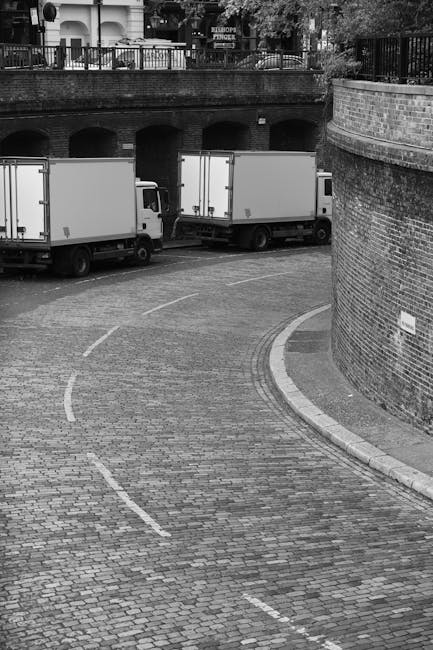
Sloane Street furniture removals narrow access solutions
Moving furniture on Sloane Street is rarely just a matter of lifting and loading. Between narrow access points, controlled parking, elegant buildings, shared entrances, and the kind of furniture that seems to get heavier the moment it meets a staircase, the job needs real planning. That is exactly where Sloane Street furniture removals narrow access solutions make the difference. The right approach keeps your move efficient, protects your furniture and property, and saves you from the sort of last-minute panic nobody wants on moving day.
In practical terms, this guide explains how narrow-access removals are handled, what the main risks are, and which solutions work best in real London settings. If you are arranging a flat move, a furniture pick-up, or a more complex home or office relocation, the details below will help you make a safer, calmer decision. Truth be told, the clever bit is usually in the preparation.
Table of Contents
- Why Sloane Street furniture removals narrow access solutions Matters
- How Sloane Street furniture removals narrow access solutions Works
- Key Benefits and Practical Advantages
- Who This Is For and When It Makes Sense
- Step-by-Step Guidance
- Expert Tips for Better Results
- Common Mistakes to Avoid
- Tools, Resources and Recommendations
- Law, Compliance, Standards, or Best Practice
- Options, Methods, or Comparison Table
- Case Study or Real-World Example
- Practical Checklist
- Conclusion
- Frequently Asked Questions
Why Sloane Street furniture removals narrow access solutions Matters
Sloane Street has the kind of urban layout that can make removals tricky even when the furniture itself is straightforward. Buildings may have narrow hallways, awkward staircases, tight entry doors, basement access, lift restrictions, or limited stopping space outside. Add traffic, loading pressure, and the need to keep neighbours, porters, or building managers happy, and the whole process becomes more sensitive than a typical move.
That is why narrow access is not a side issue. It is often the core issue.
Without a proper access plan, even a simple sofa or dining table can turn into a damaging, time-consuming problem. The wrong route can mark walls, chip woodwork, strain staff, or force a reattempt at a different time. In a premium street setting, that is exactly the sort of disruption you want to avoid. A good access solution reduces friction before the first item is even moved.
There is also a trust element here. If furniture is valuable, bulky, antique, or simply awkward, you need a team that understands restraint as much as strength. A careful mover knows when to pivot, when to dismantle, and when to stop and re-check the route rather than forcing the issue. That judgement matters more than people realise.
Expert summary: Narrow-access furniture removals succeed when planning, equipment, and route control work together. The lift is only one part of the job; access is the real foundation.
If you are comparing broader removal options as well, you may find it helpful to look at furniture removals, flat removals, or home moves for the wider service context.
How Sloane Street furniture removals narrow access solutions Works
The process usually starts with an access assessment. This may be a quick call, a site visit, photos, measurements, or a combination of all three. The aim is simple: work out how each item will move from point A to point B without damage, delay, or unnecessary stress.
From there, the team builds a practical route. That route might involve removing doors, protecting bannisters, using blankets and corner guards, or carefully dismantling furniture into manageable sections. Sometimes a moving van can park close enough for a direct carry. Other times, a smaller vehicle or shuttle-style transfer is the smarter choice. Let's face it, parking on a busy London street is often where the real chess match begins.
In tighter properties, access solutions may also involve:
- measuring furniture against doors, lifts, and stair landings before moving day
- planning around concierge or building management rules
- using specialist trolleys, sliders, straps, and protective wrap
- choosing the right crew size so items are moved safely, not hurriedly
- splitting the move into timed sections if loading space is limited
For some jobs, narrow access means using a man and van arrangement. For larger or more demanding moves, a dedicated removal van or moving truck may be more appropriate, provided the access and stopping conditions allow it.
What matters most is not the vehicle badge. It is whether the team can adapt the method to the property. A good crew will not assume the same approach works for a second-floor walk-up, a mansion block, and a narrow mews entrance. Different access, different tactics.
Key Benefits and Practical Advantages
The obvious benefit is that your furniture gets moved safely. But the better benefits are often the ones people notice afterwards, when the move feels controlled rather than chaotic.
- Lower risk of damage: Careful route planning helps protect furniture, floors, walls, and door frames.
- Faster handling on the day: When access is mapped in advance, there is less hesitation and fewer resets.
- Less stress for you: You are not standing by wondering whether the wardrobe will fit through the hall. You already know the plan.
- Better use of labour: The team can bring the right equipment and the right number of people.
- More predictable costs: Careful planning reduces surprise delays and unnecessary extra labour.
- Improved building relations: Less disruption means fewer complaints from neighbours, porters, or management.
There is also a hidden advantage: access solutions help you make better decisions about what is worth moving. Sometimes a bulky item simply does not make sense to drag up three tight flights of stairs when storage or an alternative handling plan would be more practical. That kind of judgement can save time and a fair bit of frustration.
For many customers, especially in central London, the real value is confidence. Confidence that the move has been thought through. Confidence that the furniture will not scrape along polished walls. Confidence that someone has already asked the awkward questions before the truck arrives. That feeling is worth a lot, honestly.
Who This Is For and When It Makes Sense
Narrow access furniture removals are not only for luxury homes or listed buildings. They are relevant any time a property makes moving harder than it should be.
This approach makes sense if you are:
- moving into or out of a flat with tight stairs or a small lift
- dealing with a building that has restricted loading or concierge rules
- moving large items such as wardrobes, sofas, sideboards, beds, or cabinets
- relocating antique or fragile furniture that needs extra care
- organising a same-day or short-notice move where every minute counts
- coordinating a business move with limited access hours
It is also especially useful for people who do not want to discover a problem after the van has arrived. That is a classic moving-day headache: you can see the item, you can see the doorway, but somehow the angle is just not happening. When you have already planned for narrow access, you avoid that awkward moment where everybody goes quiet and starts staring at the same chair.
Students moving out of compact properties, office teams shifting furniture between rooms, and households with a few oversized pieces all benefit from access planning. If the route is awkward, this is for you. Simple as that.
You may also want to consider wider service options like removals, house removals, or office removals if your move goes beyond a single furniture item.
Step-by-Step Guidance
A narrow access move works best when you break it down into sensible stages. Rushing is usually what causes trouble.
- Measure everything early. Check furniture dimensions, door widths, stair turns, lift sizes, ceiling height, and any awkward corners. Measure twice if needed. Then check again.
- Identify access restrictions. Note loading bays, resident permits, concierge hours, one-way streets, and any building rules that affect timing.
- Photograph the route. A few clear pictures of the entrance, staircase, hallway, and item can tell an experienced mover a lot.
- Decide what needs dismantling. Beds, tables, shelving, and some wardrobes may move more safely in parts.
- Choose the right handling method. The team might use protective covers, lifting straps, sliders, dollies, or a smaller vehicle for a tighter approach.
- Confirm the moving plan. Agree who is handling packing, who is disassembling furniture, and what happens if access turns out to be tighter than expected.
- Prepare the property. Clear hallways, secure pets, keep children away from the working area, and remove trip hazards.
- Build in a small time buffer. Access issues tend to eat time. A little buffer helps everyone stay calmer.
That process sounds formal, but in real life it is often just a sensible conversation with a practical plan attached. A mover might spot, for example, that a sofa can go through if it is stood on edge and rotated after the third step. Tiny detail, big difference.
Expert Tips for Better Results
Here are the tips that matter most in real-world narrow-access work.
- Share accurate measurements, not rough guesses. "About two metres" is not the same as an exact measurement when the doorway is tight.
- Be honest about stair difficulty. If the staircase twists, slopes, or has awkward landings, say so early.
- Label priority items. If one item is especially valuable or fragile, flag it clearly so it gets the right handling first.
- Keep corridors clear. Even a small pile of shoes or bags can create an unnecessary bottleneck.
- Ask about protective materials. Thick blankets, floor runners, and corner guards are worth having in place.
- Plan for traffic and parking delay. On busy London streets, ten minutes can disappear very quickly.
- Use dismantling strategically. Sometimes taking off legs or heads is smarter than trying to force a full-size item through a narrow opening.
One small but useful habit: keep a short written note of item sizes and access concerns in your phone. It sounds almost too simple, but it saves awkward back-and-forth later. Especially if you are juggling several people, a porter, and a delivery window all at once.
If you are arranging boxes too, packing and boxes or packing and unpacking services can take some pressure off the day itself.
Common Mistakes to Avoid
Most access problems are avoidable. Not all of them, but most. The mistakes below come up more often than you might think.
- Assuming the van matters more than the route. The right vehicle is important, but the route and turning space matter just as much.
- Not measuring the item properly. A sofa that seems fine in the living room can become a problem at the landing.
- Ignoring building rules. Some properties are very specific about booking lifts or using service entrances.
- Leaving dismantling until the last minute. That usually turns a controlled move into a scramble.
- Underestimating weight. A compact chest of drawers can still be awkward on stairs. Compact does not always mean easy.
- Forgetting clearance around corners. Straight-line fitting is one thing; turning is another.
A lot of these issues come down to optimism. Which is fair enough. People want the move to be simple. But simple is something you build, not something you hope for. That is the difference.
Tools, Resources and Recommendations
You do not need a warehouse full of gadgets, but a few practical tools make narrow access removals much easier.
| Tool or resource | What it helps with | Why it matters |
|---|---|---|
| Measuring tape | Furniture, doors, corridors, lifts | Stops avoidable fitting problems |
| Furniture blankets | Protecting finishes and corners | Reduces scratches and scuffs |
| Corner guards | Door frames and walls | Useful in tight internal routes |
| Straps and lifting aids | Heavy or awkward items | Improves control and balance |
| Dollies or sliders | Short internal moves | Helps on smooth floors and landings |
| Item inventory | Prioritising furniture | Makes planning much easier |
As a practical recommendation, keep photos of access points and each major item together in one folder. It is boring, yes, but incredibly useful when the mover needs a fast visual check before arriving. You will thank yourself later, probably while sipping tea and watching the first load leave without drama.
For the vehicle side of the job, the options most people compare are removal van, removal truck hire, and man with a van style support. Which one fits best depends on item volume, access, parking, and how much carrying the team will need to do.
Law, Compliance, Standards, or Best Practice
For furniture removals in London, the key compliance point is usually not one dramatic rule but a collection of everyday duties done properly. That means safe lifting, safe loading, sensible route planning, and care around buildings and public spaces. In practice, reputable movers follow recognised health and safety principles, maintain appropriate insurance, and communicate clearly about what they can and cannot do on the day.
Best practice normally includes:
- risk-aware manual handling
- protecting floors, walls, and shared areas
- avoiding blocked entrances or unsafe carrying routes
- checking access and parking restrictions before arrival
- keeping communication clear if conditions change
If a building has a porter, concierge, estate manager, or lift booking system, those rules should be respected. It sounds obvious, but a surprising number of moving delays come from skipping this step. Also, where valuables or specialist items are involved, it is sensible to ask about insurance and handling arrangements in advance. For more detail on reassurance and responsibility, see insurance and safety and the company's health and safety policy.
Good removal practice is also about transparency. If access is likely to be difficult, a professional team should say so clearly and recommend the right approach rather than promising the impossible. That kind of honesty matters. A lot.
Options, Methods, or Comparison Table
When access is narrow, there is rarely only one way to do the job. The best method depends on item size, building layout, time window, and vehicle access. Here is a simple comparison.
| Method | Best for | Strengths | Limitations | |
|---|---|---|---|---|
| Full-service furniture removal | Multiple items or fragile pieces | Most support, best protection | May cost more than a minimal setup | |
| Man and van | Smaller moves or single-room loads | Flexible and often practical | Limited capacity for large volumes | |
| Removal van with crew | Typical household furniture | Good balance of space and handling | Parking and access must still work | |
| Truck-based move | Larger moves with easier loading space | Efficient for volume | Can be awkward on very tight streets | |
| Storage-first approach | Items that cannot fit immediately | Useful when timing is tight | Requires an extra move later |
The best choice is not always the largest vehicle or the lowest price. Sometimes the smartest option is the one that respects the access limitations and keeps the move controlled from start to finish.
Case Study or Real-World Example
A realistic example: imagine a two-bedroom flat move from a Sloane Street address with a narrow internal staircase, a small lift, and a busy roadside outside. The main items are a sofa, bed frames, a dining table, two wardrobes, and several boxes. On paper, nothing unusual. In practice, the access is the whole story.
The team begins by measuring the sofa width, checking the height of the stair landing, and confirming that the wardrobes can be dismantled without damage. They also plan a slightly earlier start to work around traffic and make the most of the loading window. On arrival, the movers protect the hallway, remove one door where needed, and move the heaviest piece in sections rather than trying to force a full carry.
The result? No scraped paint, no blocked corridor, no awkward delay while everyone debates whether to "just give it another go." The move finishes a little behind schedule, which is normal for a tight-access job, but the property stays intact and the furniture arrives safely. That is what good access planning looks like in the real world.
If a job like that sounds close to your situation, smaller-scale support such as furniture pick-up or more tailored moving help like removal services may be a better fit than a one-size-fits-all approach.
Practical Checklist
Use this checklist before moving day. It keeps things calm and helps the crew work faster.
- Measure every large furniture item accurately
- Measure doorways, hallways, landings, and lifts
- Take photos of the entrance and internal route
- Confirm parking or loading arrangements
- Check building rules and lift booking requirements
- Decide which items need dismantling
- Prepare blankets, wraps, or protectors if needed
- Clear corridors, stairs, and entry points
- Separate fragile or high-value items
- Share any access concerns before the team arrives
- Have a backup plan for items that may not fit
Quick takeaway: if you have measured properly, planned the route, and chosen the right moving method, you have already solved most of the hard part. Everything else is just execution.
Conclusion
Sloane Street furniture removals narrow access solutions are really about doing difficult things in a careful, controlled way. The street itself, the buildings, and the items being moved all demand a bit more thought than a standard move. But when access is properly assessed and the right method is chosen, even a challenging job becomes manageable.
The smartest moves usually look uneventful from the outside. That is the goal. Smooth entry, clean walls, protected furniture, no drama at the stair turn, and everyone able to breathe again when the last item is in place. Simple, but not accidental.
Get a free quote today and see how much you can save.
And if you are still weighing up the practical side, remember this: good removals are not about brute force. They are about fitting the right plan to the right place, with enough care to make the whole day feel lighter.
Frequently Asked Questions
What are narrow access solutions in furniture removals?
Narrow access solutions are the planning and handling methods used when furniture must pass through tight doorways, staircases, lifts, corridors, or restricted loading areas. They often include accurate measuring, dismantling, protective wrapping, and choosing the right vehicle or crew setup.
Why is Sloane Street particularly challenging for furniture removals?
Sloane Street can involve busy traffic, limited stopping space, shared entrances, and buildings with restrictive access. That combination means timing, parking, and internal route planning matter much more than they might in a standard suburban move.
Do I need to dismantle furniture before the move?
Not always, but it often helps. Large wardrobes, bed frames, tables, and shelving units may be easier and safer to move in parts. A good mover will tell you whether dismantling is useful or unnecessary.
How do movers check if furniture will fit through the access route?
They compare the item's measurements against door widths, stair turns, lift dimensions, and corridor clearance. Photos can help too. If there is any doubt, they will usually recommend a careful route check before moving day.
Is a man and van service suitable for narrow access moves?
Often yes, especially for smaller loads or single-room moves. A man with a van service can be very effective where access is tight, provided the item volume and weight are manageable.
What should I do if the building has strict lift or loading rules?
Tell the removal team early and confirm any booking windows or restrictions with the building manager. If lifts must be reserved or loading bays are limited, those details should shape the moving plan from the start.
Can narrow access removals still be done on the same day?
Sometimes they can, but it depends on the size of the job, how much planning is needed, and whether parking or building access is already arranged. For more urgent moves, same-day removals may help, but access details need to be clear.
How can I reduce the risk of damage during a tight move?
Measure carefully, protect the route with blankets or guards, keep the access clear, and avoid rushing. Damage usually happens when people force an item through a space that was not properly checked beforehand.
What if one item simply will not fit?
Then the team may try a different angle, remove parts of the item, use an alternative route, or arrange temporary storage. Sometimes the best solution is to pause and rethink rather than keep pushing.
How far in advance should I plan a narrow access furniture move?
The earlier the better, especially in central London. Even a short lead time helps if there are building rules, parking constraints, or large items that need dismantling. A bit of notice goes a long way.
Do I need to tell the movers about fragile or antique furniture?
Yes, definitely. Fragile or antique pieces usually need extra care, stronger wrapping, and a more deliberate route plan. The more detail you share, the better the handling will be.
What is the best first step if I am unsure whether my furniture will fit?
Measure the furniture and the access points, take a few photos, and ask for advice before the moving day. That small bit of preparation can save a lot of trouble later.